The 75-word cold email skill we built from Lemlist's and Instantly's own GPTs
Lemlist and Instantly already publish the GPTs they use to write cold emails. We extracted both system prompts, fed them to an OpenClaw agent, and built a skill that ships 75-word personalized emails autonomously. Here is what worked, what we changed, and the deliverability number on a 357-lead campaign.
 Amine MosbahApril 29, 20268 min read
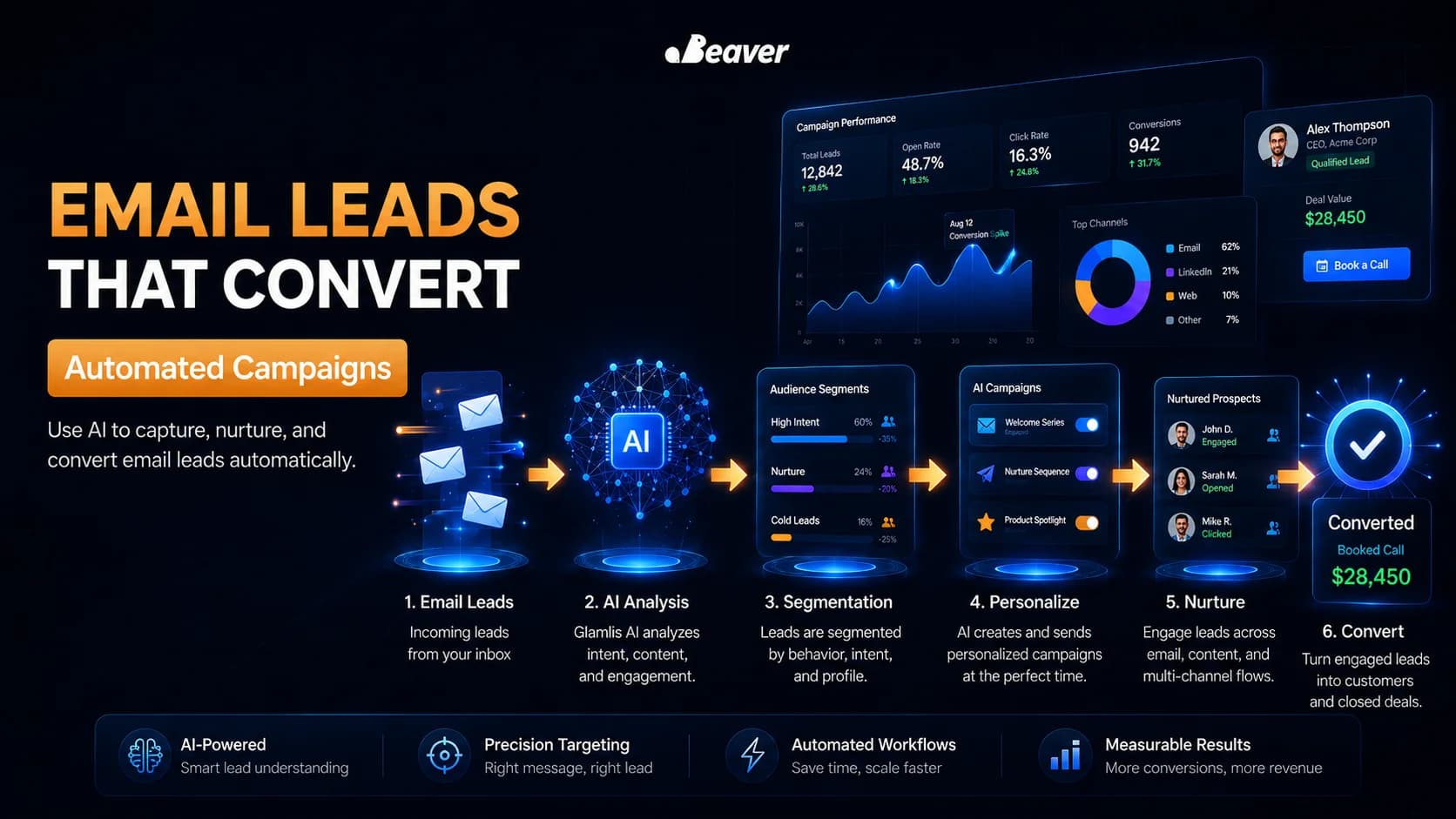
Most "AI cold email" tools produce 200 words of slop with three links and a "let's hop on a quick call." That is the floor of the genre. Lemlist and Instantly already published the GPTs they use to write better than that, free, in the ChatGPT store. We extracted both system prompts, fed them to an OpenClaw agent, and rebuilt our outbound pipeline around the rules they were already following.
This post is the walkthrough: how we lift the prompts, why the 75-word ceiling matters more than the words inside it, and the validation step we kept for the agent because the first version was creating duds.
What is an AI cold email skill?
An AI cold email skill is an agent workflow that handles the whole pipeline a sales rep used to do by hand. Lead scraping, email enrichment, deep research on the lead, drafting copy that does not read like a template, and sending through a multichannel sender like Lemlist or Instantly. Each step lives as a sub-skill, and the agent calls them in order without a human in the loop.
The category exists because cold email is dying for the same reason landing-page copy is dying. The cost of producing generic text dropped to zero, so generic text is now everywhere. Reply rates on platforms like Apollo, where every agency is contacting the same list with the same templates, show this directly.
A skill that produces shorter, more specific copy from real research on the lead is the only thing that still moves a number.
Why "write me a cold email" is not enough
Most cold-email automations stop at "use GPT to write the email." That gets you 200 words of synonyms for "I noticed you" and a CTA that is identical across every send.
The hard part is not the writing model. It is the constraints that surround it. Word count. Banned phrases. The specific personalization hook that ties the email to a real fact about the lead. The "show me, do not tell" framework Lemlist trained its own GPT on. None of those rules live inside a generic prompt.
Lemlist and Instantly already published the GPTs they use to enforce those rules. Both are free in the ChatGPT GPT store. They run inside their own products and produce the copy their best customers actually send. The shortcut is to extract the system prompt, audit it for what the rules actually are, and feed those rules into an agent you control.
How the skill runs
The trigger is a lead list. The agent walks six sub-skills in order.
-
Scrape. Pull leads from a single source where agency saturation is low. For our test, we scraped 357 community leads from a Skool community using an APIFY actor. The point is fresh contacts that are not already on every other agency's list.
-
Enrich. Find emails with FullEnrich, fall back to Clay for richer data. On the 357-lead run, 150 enrichment credits returned about 40% valid, deliverable emails for ten dollars. That is the email find rate, not a reply rate, and the distinction matters when you are budgeting credits.
-
CRM mapping. Push leads into Attio with deduping. The agent owns the field mapping so the same lead does not enter the pipeline twice when you scrape the same source next month.
-
Research per lead. This is where the agent earns its keep. It runs a Tavily search across the lead's web presence, scrapes their YouTube channel through APIFY when one exists, and pulls public posts. The output is a markdown file with three to five "show me" hooks: specific facts about the lead the email can quote.
-
Write. The cold-email sub-skill loads the extracted Lemlist and Instantly system prompts, plus a hard 75-word ceiling, plus the lead's research file. The agent picks one hook, picks a framework, and drafts copy. The CTA is rewritten to something a human would actually say, not "let's hop on a quick call."
-
Send. Lemlist's API takes the campaign because it handles multichannel out of the box. The agent gets a token and can send email, LinkedIn DM, SMS, or WhatsApp from one provider, with built-in throttling for LinkedIn's 25-message-a-day shadowban threshold.
End to end, the agent took five minutes per lead for full research and drafting. Manually, that was forty.
What we figured out the hard way
Three lessons from running this against a real campaign over a month.
Validate copies by hand for the first ten sends. The first version of this skill auto-validated its own drafts with a second LLM pass. About one in eight emails had something off: a misquoted hook, a fact the agent had inferred without evidence, a CTA that sounded like the cold emails the original prompts were trying to avoid. We took the validator out and put a human review step in for the first ten sends per new campaign. After ten clean sends, the skill is allowed to send autonomously.
The 75-word ceiling matters more than the words inside it. We thought the win was in the framework. The actual win was the constraint. A 75-word cap forces the agent to drop its reflex openers, drop two of three personalization hooks, and stop hedging. Most "AI cold emails" are 200 words because the model has no reason to stop. Once we made the ceiling hard, copy quality went up before we tuned anything else.
Apollo is a tax, not a tool. We tried Apollo as a lead source first. Reply rates were dead because every other agency was emailing the same contacts with the same templates. Switching to a niche-specific scraper, in our case Skool community owners, gave us personal email addresses tied to phones, not work emails routed to a junk filter. The difference was not 10%. Replies started, period.
When this skill is the right tool
It earns its setup when:
- You run more than 100 cold sends a week
- Your current pipeline is a mix of Apollo plus a generic AI writer plus copy-paste into a sender
- You already use a multichannel sender (Lemlist, Instantly, or similar) where API access exists
It is the wrong tool when your list is under 50 leads and you should be writing those by hand. There is no automation gain at that scale, and the deliverability of one personal email beats any agent-generated batch at that size.
The numbers
For a single operator running outbound on a 357-lead campaign:
- 357 leads scraped from a Skool community in the time it took to start the agent and walk away
- 40% valid email rate on enrichment, at $5 to $10 per 150 leads through FullEnrich
- 75 words ceiling, set in the system prompt, not requested in the user prompt
- 5 minutes per lead for full research and drafting versus 40 manually
- One Lemlist account, one API key, four channels (email, LinkedIn, SMS, WhatsApp)
The compounding win is volume without the quality drop. The first three weeks of building this were tuning, not sending. By the fourth week the skill was sending on its own and the operator was reviewing replies, not writing.
FAQ
Where exactly are the Lemlist and Instantly GPTs? Both are public in the ChatGPT GPT store. Search for the company name. Open the GPT, ask it to print its own system prompt, paste the output into a markdown file in your skill's prompts/ folder. The agent loads that file at write time.
Is extracting a public GPT's system prompt allowed? The system prompt is what the GPT sends to the model on every call. If the GPT will reveal it when asked, it was not protected. If you want to be explicit about it, cite the source GPT in your skill's README.
Does the skill work with Instantly instead of Lemlist? Yes. Instantly's API is similar. The reason we picked Lemlist is multichannel through one provider and the rate-limit handling for LinkedIn. If you are email-only, Instantly is fine.
What about LinkedIn shadowbans? Lemlist throttles LinkedIn sends to under 25 a day per account, randomizes intervals, and skews the daily count so it is not the same number every day. We have run multiple accounts through it for over a year without a shadowban.
How do I run this on my own list instead of building from scratch? The skill ships as a folder of markdown files. Drop your lead source into the scrape sub-skill, your sender API key into the send sub-skill, and your Tavily key into research. The wiring is the part that takes ten minutes.
Wire it up to your sender
If you want this skill running against your own Lemlist or Instantly account, browse the rest of the community use cases or book a white-glove install.
Based on the OpenClaw for Sales Outreach & Post Anthropic-Ban Fixes session with Michael Pansolini and the Agentic Beaver team.